

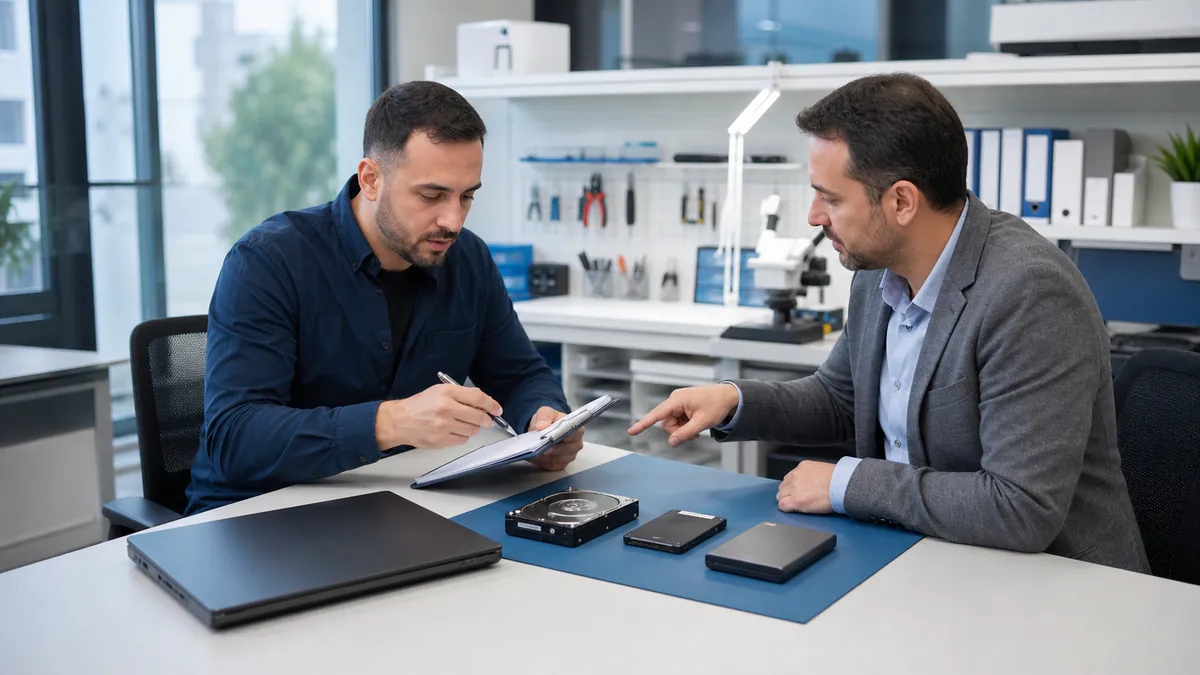
Evidence-led assessment, source protection and controlled delivery
Data Recovery and Secure Data Transfer Services in Turkey
We assess failed or inaccessible storage, protect the source from unnecessary writes, create a working image where possible and recover or transfer validated data through an agreed process.
Request a Recovery AssessmentFirst response matters
Stop unnecessary writes and preserve the source before attempting recovery
Continued use, repeated repair attempts, reinstalling an operating system or saving recovered files back to the same device can overwrite recoverable data or worsen a failing medium. The first assessment records the symptoms, business priority, storage type, encryption, previous actions and required files. Recovery feasibility and risk are then explained before work proceeds. No responsible provider can guarantee recovery before diagnosis.
Service scope
Recovery and transfer follow a controlled evidence path
Intake and priority record
Device, storage type, symptoms, incident time, previous actions, encryption, required folders, deadlines and authorised contact are documented.
Source protection
The original medium is handled to minimise writes. Power cycles and repair utilities are avoided when they could increase damage or overwrite metadata.
Imaging and diagnostics
A sector-level or logical working image is created where appropriate, with read errors and device behaviour recorded for the recovery decision.
File-system and data recovery
Partitions, file systems, deleted records, folders and supported application data are analysed from the safest available working copy.
Validation and priority review
Recovered data is checked against the requested folders, file types, readability and business priority before delivery.
Secure transfer and closure
Approved destination, encryption, access, checksum or sample checks, handover, retention and deletion responsibilities are agreed.
Source-media protection
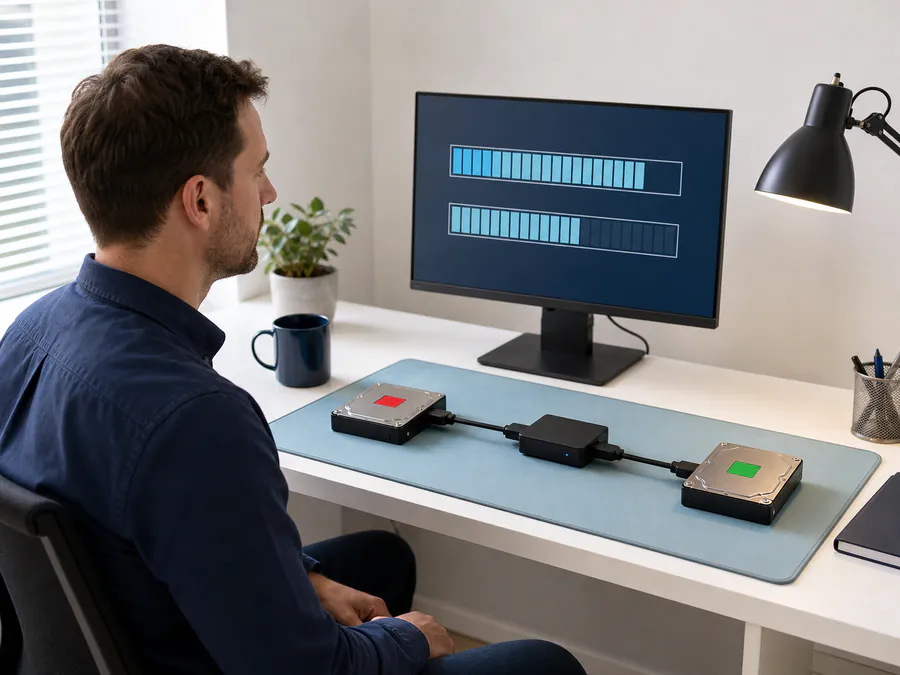
A working image separates recovery attempts from the original medium where possible
When a device is readable enough, imaging captures available sectors or logical data to separate analysis from the original source. Read strategy, errors, temperature or connection stability and the condition of the medium influence whether imaging continues, pauses or requires a specialised laboratory.
Physically damaged drives, severe mechanical symptoms, damaged flash components, controller faults, encrypted media without keys and overwritten data have different limits. Cases beyond the available equipment or safe handling scope are explained and can be referred rather than subjected to repeated attempts.
Recovery workflow
Six stages from authorised intake to controlled delivery
-
01
Authorised intake
Ownership or authority, device details, symptoms, required data, confidentiality, urgency and previous recovery attempts are recorded.
-
02
Initial condition assessment
Power, connection, device health, logical visibility, encryption and signs of physical failure are evaluated without unnecessary write activity.
-
03
Working image or safe copy
A suitable image or copy is created where feasible; read errors and source condition are retained as part of the case record.
-
04
Analysis and recovery attempt
Partitions, file systems, deleted entries, folder structures and requested file types are examined on the working copy.
-
05
Validation and customer review
Priority data, folder structure, readable samples, recovered volume and known missing or damaged items are reviewed.
-
06
Encrypted delivery and closure
Data is transferred to the approved destination, access is handed over, retention is confirmed and case records are closed.
Secure delivery
Recovered data needs the same access discipline as production data
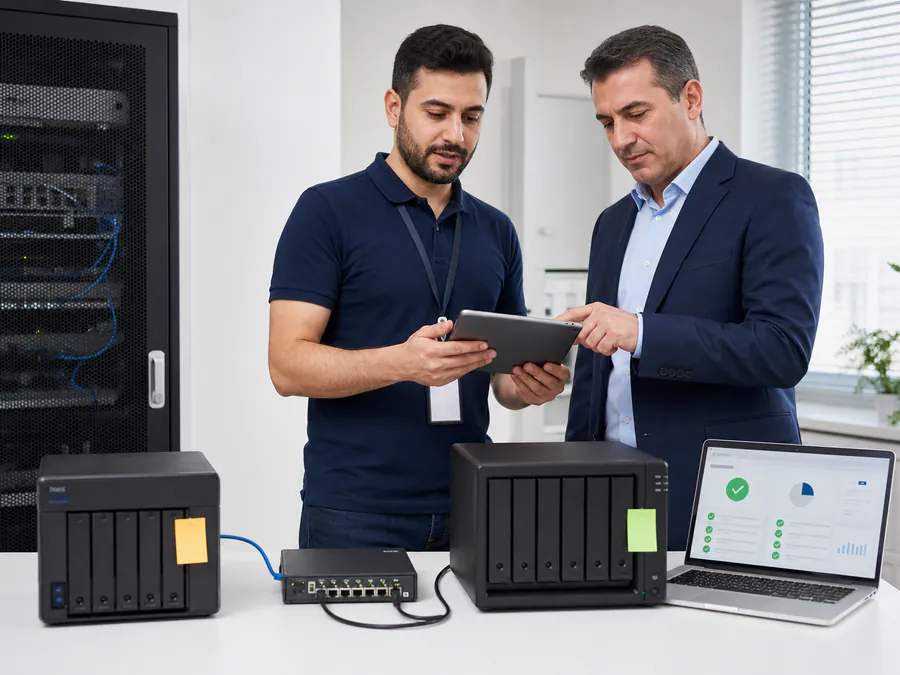
The destination and transfer method are agreed before delivery. Capacity, encryption, recipient identity, access credentials, network path and whether checksum or sample verification is required are documented. Recovered data is not sent through an informal channel simply because the recovery succeeded.
The closure record states what was delivered, to whom, when and through which destination. Temporary working data, the original medium and service retention are handled under the agreed instruction. Sensitive or regulated data may require additional contractual and technical controls.
Case record
What a transparent recovery handover contains
Intake and authorisation record
Device identity, authorised contact, symptoms, priority data, confidentiality and previous actions.
Condition and imaging notes
Observed device state, safe handling decision, errors, image status and any reason for stopping or referral.
Recovered-data summary
Recovered volume, folders, file types, requested priority items and known incomplete or damaged data.
Validation evidence
Readable samples, folder review, checksum or transfer confirmation where included in the agreed scope.
Secure delivery record
Approved destination, recipient, encryption or access method, delivery date and acknowledgement.
Retention and closure instruction
Agreed treatment of temporary copies, recovered data, original media and remaining open actions.
Useful first information
What to send for an initial recovery assessment
- Device and storage
- HDD, SSD, USB, server, RAID or other system; model, capacity, operating system and whether the device is detected.
- Symptoms and timeline
- Noise, power issue, deletion, formatting, corruption, ransomware, failed rebuild, date of failure and what changed immediately before it.
- Actions already taken
- Repair tools, reinstall, restore, drive swap, RAID changes, repeated power cycles, other recovery software or vendor work.
- Priority and security
- Required folders or file types, deadline, encryption keys, confidentiality needs, authorised recipient and preferred delivery destination.
Frequently asked questions
Data Recovery and Secure Data Transfer Services FAQ
Can data recovery be guaranteed?
No. Feasibility depends on physical condition, overwritten sectors, encryption, file-system damage, previous attempts and the available source. An initial assessment explains the likely path and limits before work proceeds.
What should I do immediately after data loss?
Stop writing to the affected device. Do not reinstall, format, initialise, run repair tools or save recovered files back to the same medium. If a drive makes unusual mechanical sounds or repeatedly disconnects, power it down and request an assessment.
Is data recovery the same as restoring a backup?
No. Backup restore uses an existing protected copy. Data recovery attempts to retrieve data from failed, damaged, deleted or inaccessible media. Migration moves usable data between systems. The scope and risk are different.
Can encrypted data be recovered?
Recovery generally still requires valid encryption keys, passwords or recovery information. Recovering encrypted sectors does not remove the encryption. The available key material and platform must be discussed during intake.
Can the work be handled remotely?
Logical assessment and secure transfer can sometimes be performed remotely when the device is healthy, safely accessible and the customer has suitable connectivity. Physical or unstable media must be delivered through an agreed intake process.
Do you accept data recovery requests from across Turkey?
Yes. Biga Bilisim can assess cases from across Turkey. Transport, packaging, authorisation, physical-media intake and return are agreed before shipment. Remote logical recovery or secure transfer is used only when it is safe and appropriate.
Official recovery and resilience references
- NIST NCCoE: Data Integrity - Recovering from Ransomware and Other Destructive Events
- NIST: information system contingency planning
- CISA: StopRansomware Guide
Technical review date: . Product capabilities, supported versions, licences and service boundaries are rechecked during project design.
Discuss Your Requirements with Biga Bilisim
Send the company name, location, current environment, required outcome and preferred timeline. We will review the request and define the most practical next step.