

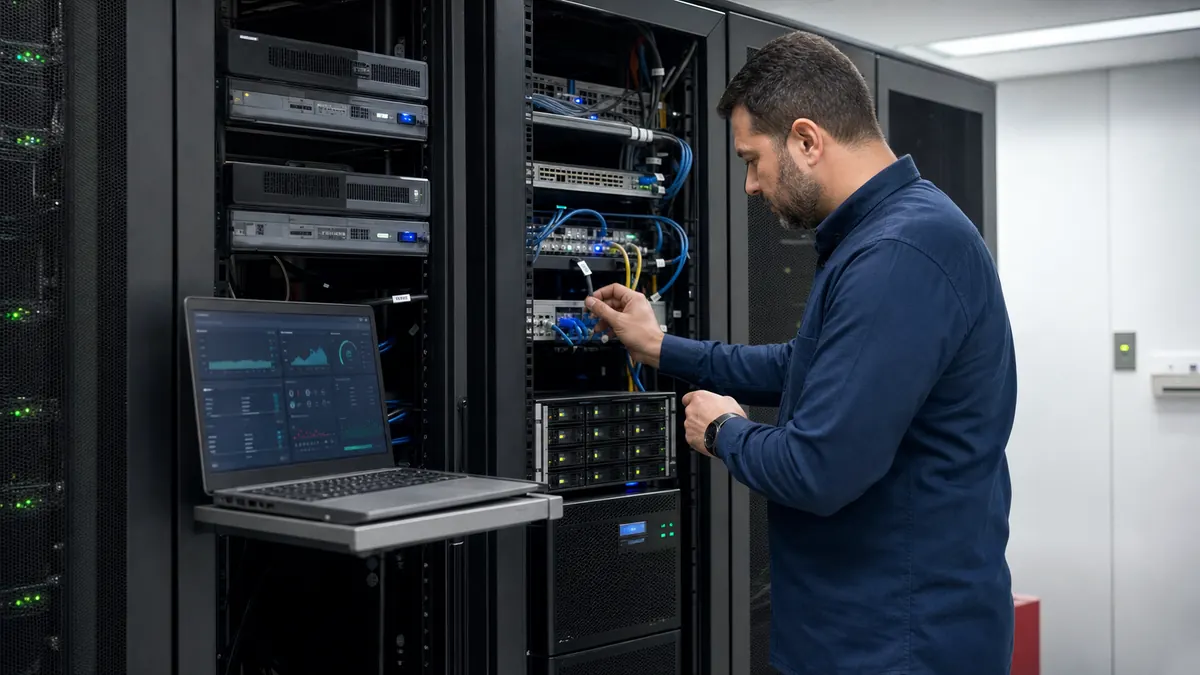
Workload-led sizing, controlled migration and documented handover
Server Installation and Integration in Antalya
We design and install physical or virtual server environments around workload, identity, storage, network, backup, monitoring and recovery requirements.
Request a Server Project ReviewThe design starting point
A server is sized from workload, resilience and recovery requirements
Processor, memory and storage capacity matter, but they do not define a complete server project. Application compatibility, user load, identity, network paths, RAID or storage design, virtualisation, backup windows, recovery objectives, power, rack conditions, licensing, monitoring and support ownership must be considered together. The result is installed, tested and documented against an agreed operating purpose.
Project scope
Hardware, platform and integration decisions are planned as one system
Workload and capacity
Applications, databases, users, virtual machines, growth, peak load, performance symptoms and vendor requirements guide CPU, memory and storage sizing.
Hardware and firmware
Server model, processors, memory layout, controllers, drives, power supplies, network adapters, support term and firmware baseline are checked.
RAID and storage design
Capacity, IOPS, latency, usable space, fault tolerance, hot spare, cache protection and rebuild exposure are evaluated for the workload.
Virtualisation and licensing
Hypervisor choice, host resources, guest operating systems, licence rights, management and future migration needs are documented.
Network and identity integration
VLANs, addressing, DNS, time, Active Directory, management access, service accounts, certificates and firewall rules are planned.
Backup, monitoring and support
Backup scope, off-system copies, recovery tests, hardware alerts, capacity thresholds, warranty and operating responsibility are defined.
Storage and resilience
RAID improves availability, but it is not a backup or recovery plan
RAID and resilient storage can keep a service running through certain drive failures, depending on the design and failure pattern. It does not protect against deletion, ransomware, application corruption, administrator error, theft or a wider hardware and site incident. Rebuild time and exposure also increase as drive capacity and workload grow.
The design separates local resilience, backup, off-system or off-site copies and restore testing. Recovery point and recovery time requirements determine which data is protected, how frequently, where copies are stored and how the organisation verifies that applications can return to service.
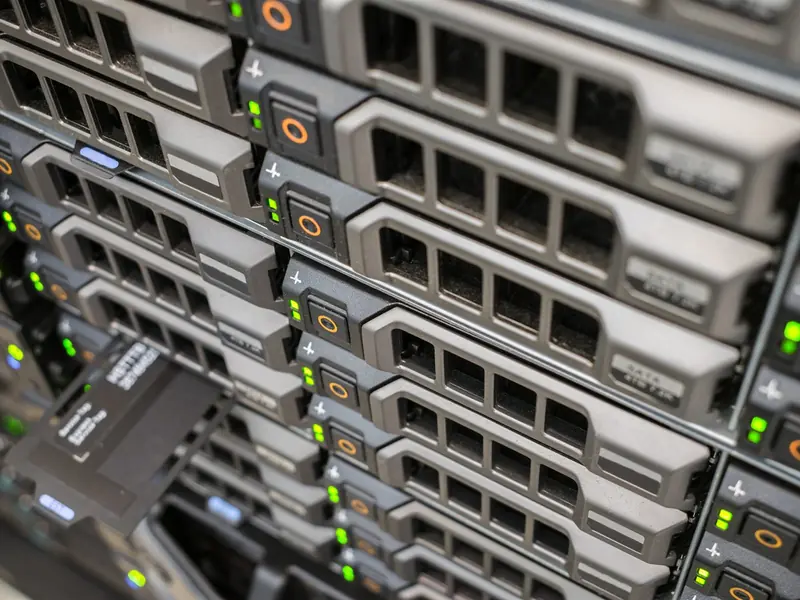
Delivery process
Six stages from discovery to accepted service
-
01
Discovery and workload inventory
Applications, databases, users, dependencies, licences, current performance, data volume, support constraints and business impact are recorded.
-
02
Architecture and bill of materials
Physical or virtual design, capacity, storage, network, power, rack, support term, licences and expansion path are documented.
-
03
Build and baseline
Hardware, firmware, operating system or hypervisor, storage, management, identity, security and update baseline are configured.
-
04
Integration and migration
Network, directory, DNS, time, certificates, applications, data and dependent services are integrated through an agreed change window.
-
05
Validation and recovery checks
Performance, failover where applicable, backups, alerts, access, application function and rollback or recovery steps are tested.
-
06
Documentation and ownership
Configuration, diagrams, licences, warranties, credentials, backup, monitoring, runbooks, open items and support contacts are handed over.
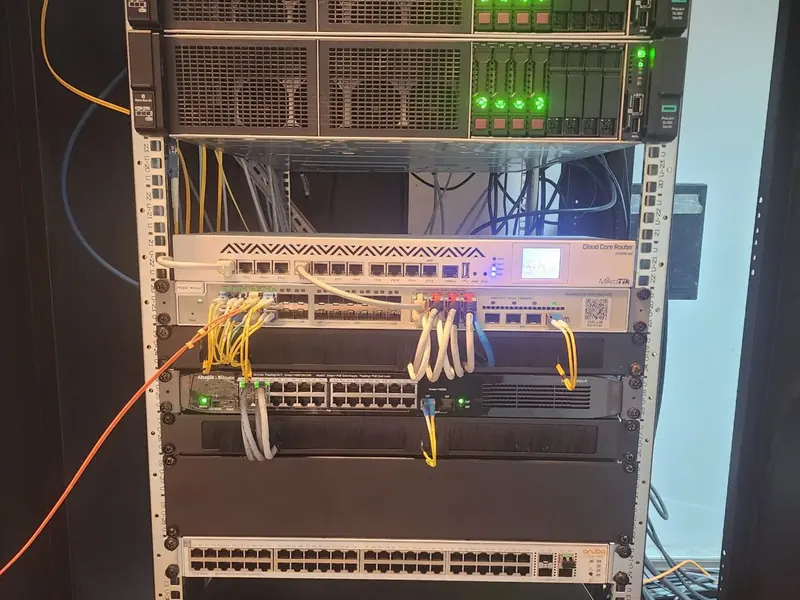
Cutover control
Migration success depends on dependencies and rollback, not only data copy
Before cutover, the team records application owners, service accounts, DNS records, certificates, firewall rules, scheduled tasks, integrations, backup status and a final data synchronisation method. Acceptance criteria and the permitted outage are agreed with the business.
The change window includes validation points and a written rollback decision. After migration, application function, user access, jobs, logs, performance, backup and monitoring are checked. The old environment is retained or decommissioned only through the agreed evidence and retention process.
Project handover
What a complete server handover contains
Architecture and inventory
Physical components, virtual machines, network paths, storage, licences, warranties and business owners.
Configuration baseline
Firmware, operating system or hypervisor, roles, updates, identity, security, time and management settings.
Storage and capacity record
RAID or pool layout, usable space, performance assumptions, thresholds, expansion path and known limitations.
Backup and recovery record
Protected workloads, schedules, destinations, retention, encryption, alerts, restore responsibility and test evidence.
Monitoring and support matrix
Hardware, operating system, storage, service and capacity alerts with owners, coverage and escalation contacts.
Acceptance and open items
Tests performed, results, migration evidence, deviations, pending work, credentials transfer and sign-off.
Useful planning input
What to send for a server project review
- Applications and users
- Workloads, database engines, vendors, user counts, peak periods, operating systems and integration dependencies.
- Current infrastructure
- Server and storage models, age, warranties, virtual machines, networks, rack, power, backups and performance symptoms.
- Availability and recovery
- Permitted outage, RPO, RTO, backup retention, off-site requirements and workloads that require higher resilience.
- Project constraints
- Budget range, deadline, licences, maintenance windows, data residency, site access and internal or vendor contacts.
Frequently asked questions
Server Installation and Integration in Antalya FAQ
Can Biga Bilisim review an existing server before recommending replacement?
Yes. Hardware health, warranty, firmware, capacity, workload performance, storage, backup, operating system, licences and business risk are reviewed. Upgrade, consolidation, migration or replacement is recommended only after the evidence is recorded.
Do you install both physical and virtual servers?
Yes. The scope can include physical Windows or Linux servers, Hyper-V and selected virtual platforms, guest systems, storage, network, identity, backup and monitoring. Product support and licence requirements are confirmed for the chosen design.
Is RAID enough to protect server data?
No. RAID can provide resilience against certain drive failures, but it does not replace independent backups, off-system copies and restore testing. Backup and recovery are designed separately from local storage resilience.
Can server migration be completed without downtime?
Some workloads support low-downtime migration, but zero downtime cannot be assumed. Application architecture, data consistency, licences, DNS, integrations and test requirements determine the change window and rollback plan.
Are backup and monitoring included automatically?
They are included only when stated in the project scope. The proposal identifies protected workloads, retention, alert ownership, monitoring coverage, support hours and any ongoing management service.
Where do you provide server installation services?
On-site server installation is primarily delivered in Antalya and planned project locations in Turkey. Architecture, licensing, migration preparation, remote configuration, monitoring and support can be provided more broadly when secure access and local hands are available.
Official technical references
- Microsoft Learn: Windows Server planning and deployment
- Microsoft Learn: Hyper-V overview
- NIST: information system contingency planning
Technical review date: . Product capabilities, supported versions, licences and service boundaries are rechecked during project design.
Discuss Your Requirements with Biga Bilisim
Send the company name, location, current environment, required outcome and preferred timeline. We will review the request and define the most practical next step.